Medical emergencies rarely come with warnings; someone faints at a hawker centre, a child slips at the playground or a colleague who collapsed in the office. In those moments, what separates panic from effective action is not medical training or special equipment, but a set of basic first aid skills that anyone can learn.
In Singapore, emergency medical services are fast and well organised, but no response is instantaneous. First aid fills the critical gap between the moment an emergency occurs and the arrival of professional help. Knowing what to do, and doing it calmly, can save a life.
As a Singapore-based provider of first aid training and emergency medical services, Emergencies First Aid & Rescue (EFAR) works closely with individuals, workplaces, and communities to provide practical first aid knowledge and preparedness.
This article outlines the essential first aid skills every Singaporean should possess, why they matter in everyday situations, and how proper training builds confidence that lasts beyond the classroom.
Why First Aid Matters in Singapore
Singapore’s urban environment means people live, work, and travel in close proximity every day. This increases the likelihood that an ordinary person will witness a medical emergency at some point in their life.
First aid is not about replacing doctors or paramedics. It is about stabilising a situation, preventing it from worsening, and giving someone the best possible chance until professional care arrives.
Many emergencies happen in familiar settings such as homes, offices, schools, hawker centres, and public transport. In these situations, the first person to respond is often a family member, colleague, or passerby.
This is why many workplaces and families invest in first aid training in Singapore, which prepares people for real-world scenarios and common emergencies.
10 Basic First Aid Skills All Singaporeans Should Know
When an emergency occurs, the first few minutes are often the most important. This is especially true for cardiac arrest, severe bleeding, choking, or shock.
During this time, the body may be deprived of oxygen or blood flow. Without early intervention, injuries can become fatal or result in long-term complications. Structured first aid training focuses on recognising these moments early and responding with clear priorities rather than hesitation.
This emphasis on immediate, correct action is a core principle across EFAR’s accredited first aid courses, which are designed to prepare participants for real emergencies, not just theoretical scenarios.
1. Assessing the Scene
Before helping anyone, it is essential to ensure the area is safe. Rushing in without checking for hazards can put both the responder and the casualty at risk.
A proper scene assessment involves scanning for dangers such as traffic, electrical hazards, fire, smoke, or unstable surroundings. Once the area is safe, the responder can approach the casualty with confidence.
The next step is to check responsiveness and breathing. If the casualty is unresponsive or not breathing normally, contact emergency services immediately.
In serious incidents, early activation of emergency ambulance services ensures professional medical support is already on the way while the responder begins first aid procedures.
2. Performing Cardiopulmonary Resuscitation (CPR)
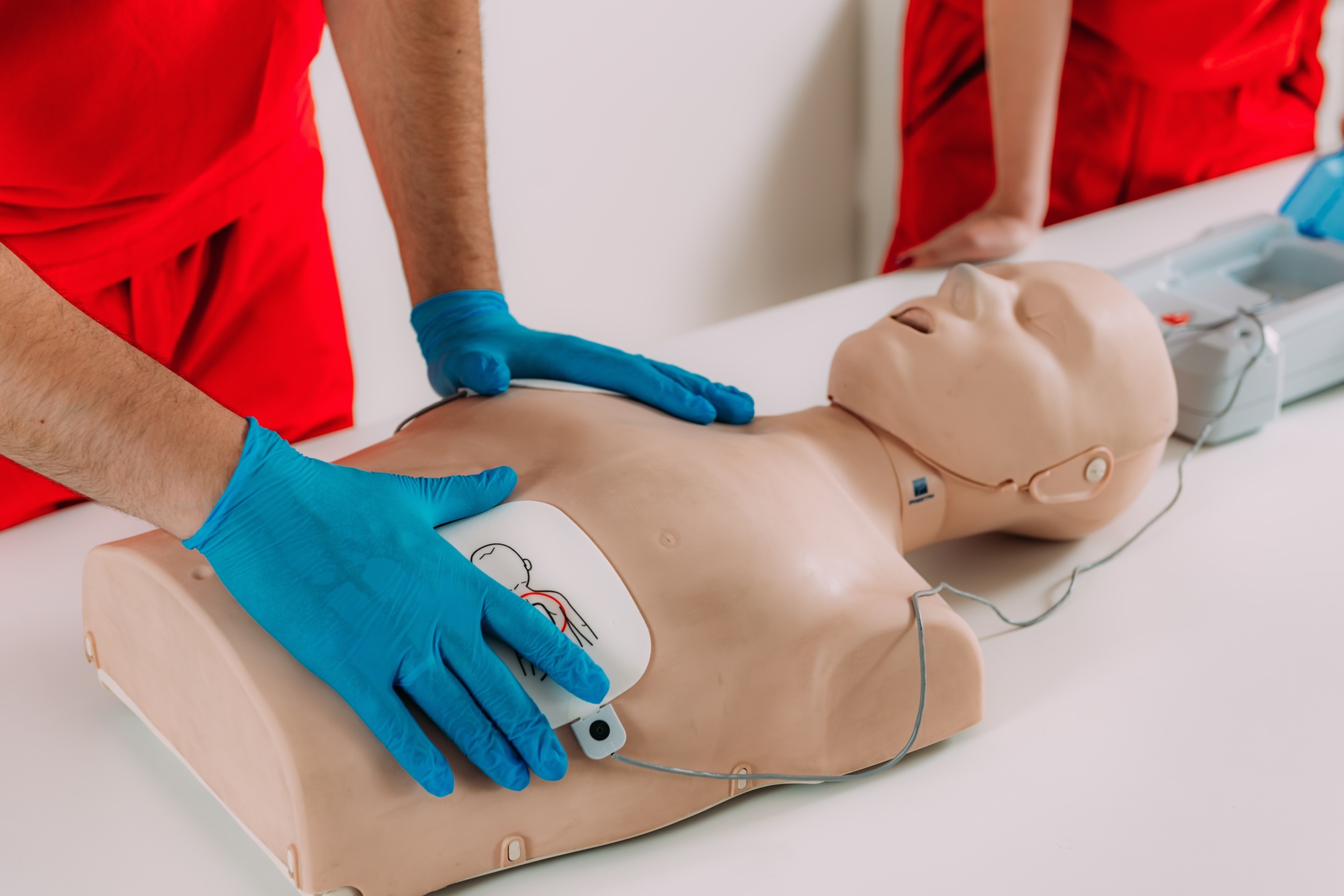
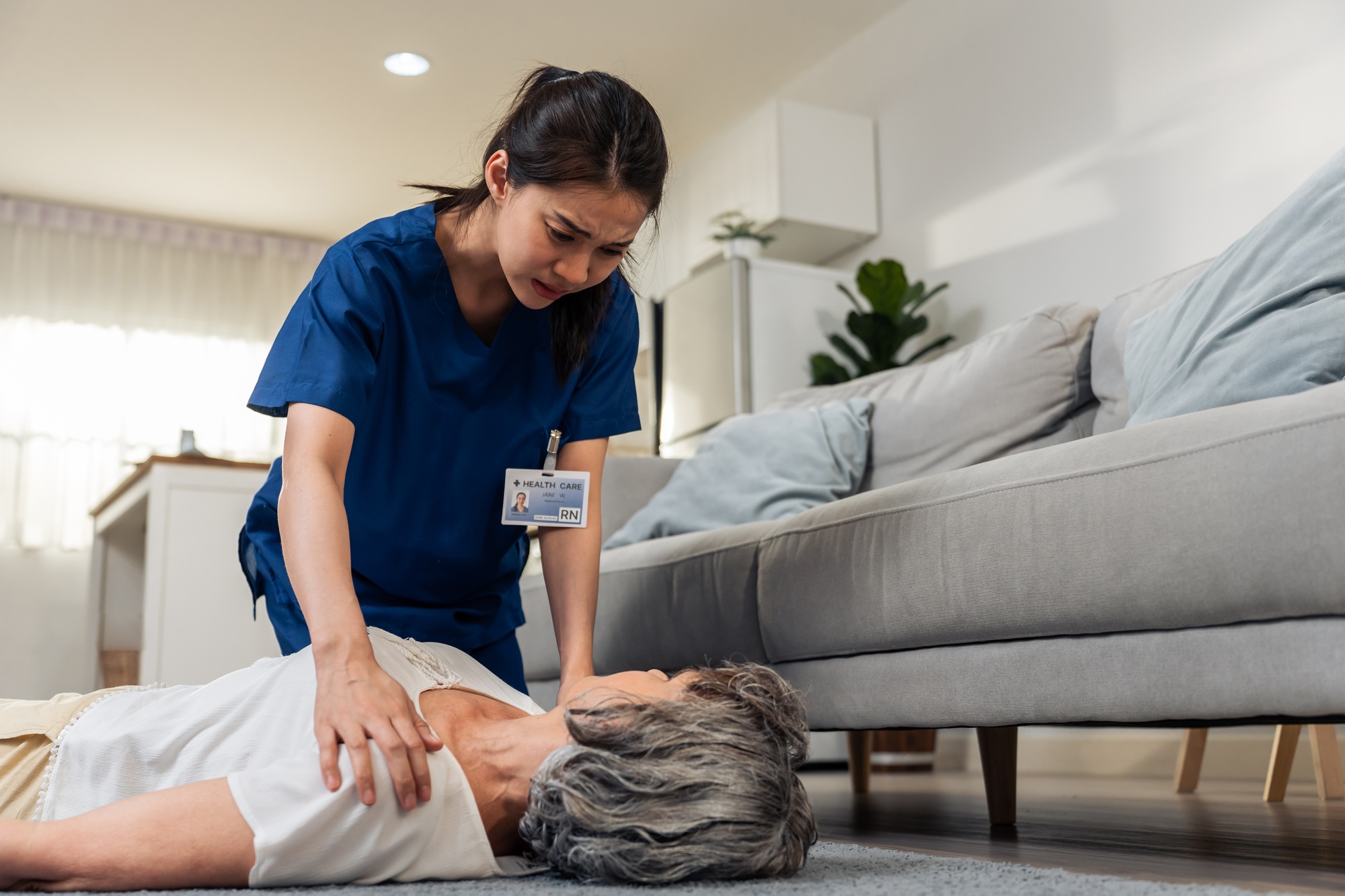
CPR is one of the most important first aid skills anyone can learn. It directly saves lives during cases of sudden cardiac arrest.
When the heart stops pumping effectively, oxygen can no longer reach the brain and vital organs. Brain damage can set in within minutes if no action is taken. By applying CPR, the respondent helps maintain blood circulation through chest compressions until advanced medical care arrives.
Formal training teaches correct hand placement, compression depth, rhythm, and the confidence needed to act decisively under pressure rather than freezing in uncertainty.
3. Using an Automated External Defibrillator (AED)
Singapore has invested significantly in public access defibrillation, making AEDs widely available in MRT stations, shopping malls, offices, condominiums, and community spaces.
AEDs are designed for public use and provide clear voice instructions to guide users throughout the process. They will only deliver a shock if it is medically necessary. When used early alongside CPR, AEDs significantly improve survival rates during cardiac arrest.
Hands-on training through all our first aid courses ensures participants are comfortable locating, activating, and using an AED correctly when it matters most.
4. Controlling Severe Bleeding
Severe bleeding is another life-threatening emergency that requires immediate action.
Uncontrolled blood loss can lead to shock and death within minutes. Accidents involving sharp objects, machinery, or road traffic are common causes.
First aid training teaches how to apply firm direct pressure on the bleeding site, protect wounds properly, and monitor the casualty’s condition while waiting for medical assistance.
These techniques are a core component of any standard first aid course in Singapore, as bleeding control often determines outcomes before help arrives.
5. Treating Choking Emergencies
Choking can occur suddenly and without warning, making it particularly dangerous.
A choking person may be unable to speak, cough, or breathe properly. First aid techniques differ for adults, children, and infants, and incorrect application can be harmful.
Structured first aid training ensures these techniques are practised safely and confidently under supervision, allowing responders to act quickly and effectively in real situations.
6. Handling Fractures and Sprains
Fractures and sprains are common injuries, particularly in workplaces, during sports activities, and among older adults.
First aid in these situations focuses on minimising movement, supporting the injured area, and preventing further damage until professional care is available. Improper handling of fractures or suspected spinal injuries can worsen outcomes for the injured person.
In workplace settings, this knowledge is especially important, which is why many employers enrol staff in occupational first aid training tailored to on-the-job risks.
7. Responding to Burns and Scalds
Burns are common in Singapore homes and workplaces, especially in kitchens, food preparation areas, and industrial environments.
First aid for burns focuses on cooling the affected area with running water, protecting the injury from contamination, and recognising when medical care is required. Traditional remedies or incorrect treatments can worsen tissue damage.
Burn assessment and management are covered in detail during formal first aid training to ensure safe and appropriate responses.
8. Recognising Heat Stress and Heatstroke
Singapore’s tropical climate means heat exhaustion and heatstroke are real risks, especially during outdoor activities, physical work, and sporting events.
Symptoms can include dizziness, weakness, confusion, and elevated body temperature. First aid intervenes by cooling the person down, providing hydration where appropriate, and seeking medical attention promptly.
Training helps participants recognise early warning signs and respond before the condition becomes life-threatening.
9. Preparing and Using a First Aid Kit
First aid skills are most effective when supported by the right equipment.
A well-prepared first aid kit allows responders to manage bleeding, burns, minor injuries, and other emergencies more effectively. Training helps people understand not just what items should be included, but how and when to use them properly.
Practical familiarity with first aid supplies reduces hesitation during emergencies.
10. Staying Calm and Communicating Clearly
Effective first aid is not only about physical techniques. Staying calm, communicating clearly, and coordinating with others are critical during emergencies.
Training builds the mental discipline needed to remain focused under pressure, delegate tasks when help is available, and reassure casualties until professional assistance arrives.
The Importance of Formal First Aid Training
Reading about first aid increases awareness, but it cannot replace hands-on instruction.
A recognised first aid certification in Singapore ensures that skills are practised correctly under supervision and assessed for competency. Those who have trained previously benefit from refresher courses, which help maintain confidence and ensure techniques remain aligned with current guidelines.
First Aid as a Shared Responsibility
First aid strengthens communities by empowering ordinary people to step in and provide help in critical situations. When more individuals are trained, emergencies can be managed more quickly, panic is reduced, and the chances of positive outcomes improve significantly.
In workplaces, families, and public spaces, widespread first aid knowledge creates a culture of preparedness and care. When skills are regularly refreshed, people are more confident in recognising risks, responding appropriately, and supporting one another until professional help arrives. This makes our communities safer and more resilient overall.
Why First Aid Knowledge Makes Every Singaporean Stronger
Basic first aid skills are practical, learnable, and life-saving. They give people the confidence to act decisively instead of feeling helpless when emergencies occur, whether at home, at work, or in public spaces.
By enrolling in a recognised first aid course, maintaining certification, and refreshing skills regularly, Singaporeans become a vital part of the emergency response chain. These skills do not replace professional medical care, but they ensure that the right actions are taken while help is on the way.
In many emergencies, the most important help comes from the person standing closest who knows what to do.
If you would like more information about first aid training or available courses, please contact the EFAR team for guidance.
FAQs
Is first aid training necessary if emergency services are fast in Singapore?
Yes. Even with an efficient emergency response, the first few minutes are critical. Immediate first aid can prevent death or permanent injury before professional help arrives.
How often should first aid skills be refreshed?
Skills should be refreshed every 2 years based on national guidelines. This is because techniques and guidelines can change over time. Refresher training also helps maintain confidence and readiness.
Can members of the public safely use AEDs?
Yes. AEDs are designed for public use and provide clear instructions. Training improves confidence and ensures faster, more effective responses.
Who should consider taking a first aid course?
Anyone can benefit, including parents, office workers, teachers, caregivers, students, and employers responsible for workplace safety.
Are first aid courses recognised by employers in Singapore?
Many certified first aid courses are recognised for workplace safety, compliance, and emergency preparedness requirements.