Medical emergencies can happen anywhere and at any time, whether at home, in the office, at the gym, or even while commuting. In many cases, the first few minutes before paramedics arrive on the scene are the most critical.
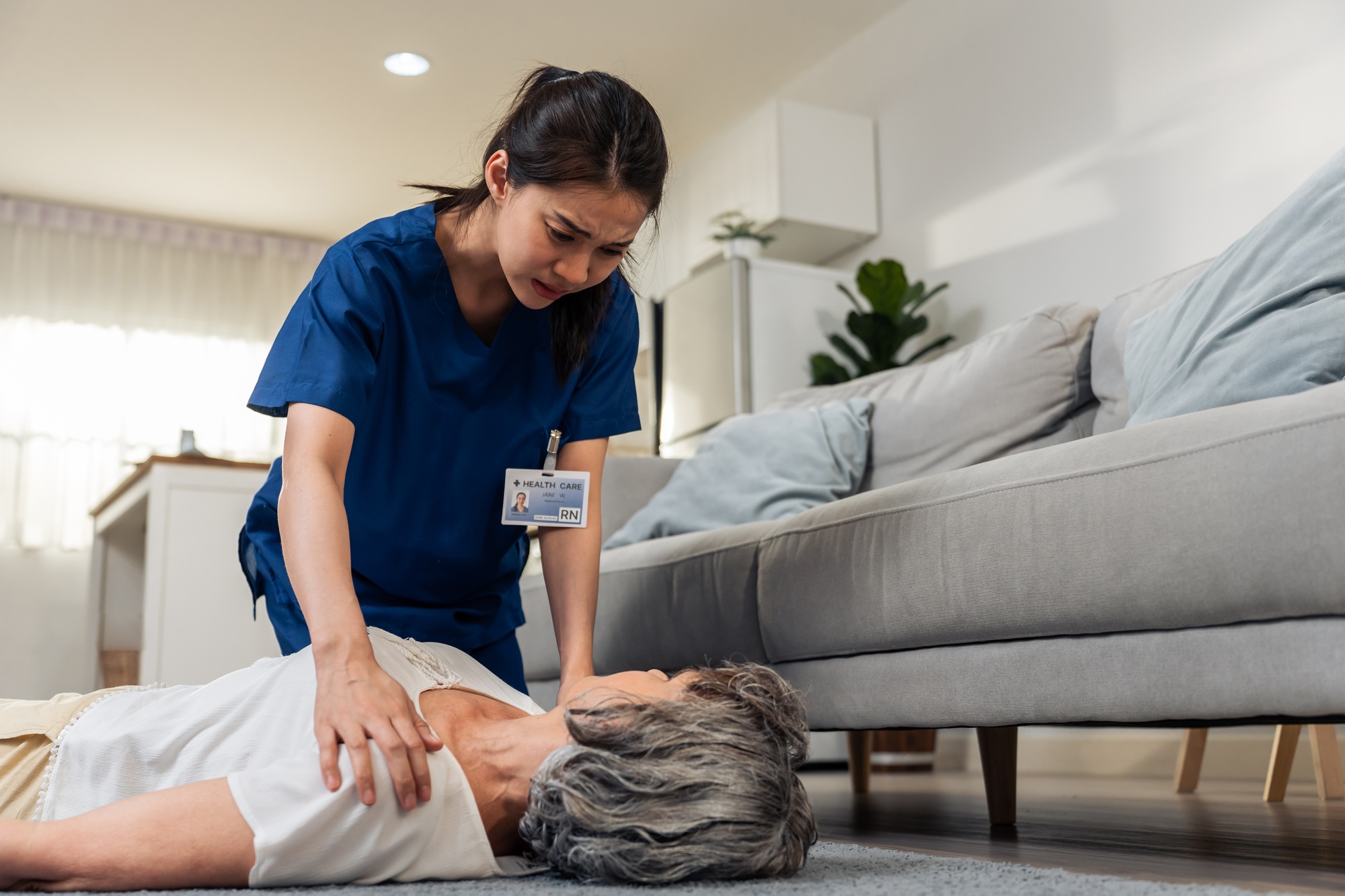
Emergencies such as cardiac arrest may cause someone to collapse or stop breathing, and immediate action is needed in these cases. However, many bystanders may hesitate to act simply because they do not know what to do.
This is why attending a CPR course or first aid training programme in Singapore is so important.
Even if CPR training is not required for your job, having the knowledge and confidence to act can help you protect those around you, including family members, friends, colleagues, and even strangers.
What is CPR?
CPR (Cardiopulmonary Resuscitation) is an emergency first aid technique used when a person’s heart has stopped beating or if they have stopped breathing.
The person performing CPR uses repeated sets of chest compressions and rescue breaths to maintain the flow of blood and oxygen to the casualty’s brain and other vital organs.
When is CPR Necessary?
CPR is essential in cases of cardiac arrest, where the heart suddenly stops beating and fails to pump blood around the body. This means that the brain and other vital organs stop receiving the oxygen they need to function normally.
Within seconds, the person will lose consciousness, and in minutes, brain cells can begin to die due to the lack of oxygen.
Cardiac arrest can occur due to certain heart conditions, drowning, severe injuries, massive blood loss, or extreme infections.
With CPR knowledge and training, you can help ensure the continued flow of blood to the casualty’s brain and other organs, keeping them alive until professional medical help arrives.
Why is CPR Training So Important?
1. Most Cardiac Emergencies Happen at Home
We may imagine that people only go into cardiac arrest when they are already in hospital and have other medical conditions, or if they are in a high-risk situation.
However, most cardiac emergencies happen right in our homes, in an environment we consider safe and familiar.
A parent may suddenly collapse while watching television, or a spouse may stop breathing in the middle of a conversation. This can be unexpected and extremely distressing, especially if you are the first or only other person present at the scene.
In these situations, waiting passively for emergency services will not be enough. Because every second is critical to maintaining blood flow to the casualty’s brain, CPR training will allow you to take immediate action while the ambulance is on the way.
2. Immediate CPR Can Improve Survival Rates
The chances of surviving cardiac arrest decline significantly with every minute that passes without first aid intervention.
The lack of oxygenated blood reaching the casualty’s brain can lead to permanent organ damage within 6 minutes. That’s why immediate action is so vital.
In real-life situations, paramedics may take several minutes to reach the scene, especially in high-rise buildings, crowded areas, or during peak hours. This delay is when bystander action is critical.
Studies have shown that when bystanders perform CPR early and correctly, survival rates can double or even triple.
If you are trained in CPR, you can help maintain the casualty’s blood circulation and oxygen delivery to vital organs until emergency medical care arrives.
By learning CPR through a first aid training course in Singapore, you become an active part of the chain of survival, giving the casualty a significantly better chance at survival and recovery.
3. You Can Act Confidently in Emergencies
In medical emergencies, the biggest obstacle most bystanders face is not the unwillingness to help, but the fear that they may do something wrong or make things worse. So they hesitate, hoping that someone else will be able to assist.
This is because most people are untrained in basic first aid knowledge and tend to panic in life-threatening situations.
CPR training addresses this by providing you with clear, structured steps to follow in different emergency situations.
Through guided CPR practice sessions, you’ll learn how to assess the casualty, check for breathing and other injuries, and perform chest compressions correctly.
This hands-on experience builds your confidence and muscle memory. Instead of freezing or doubting yourself, you are more likely to respond quickly and appropriately when someone near you requires CPR.
4. CPR Training Benefits Everyday People
There is a misconception that CPR training is only necessary for those who already work in healthcare or emergency services.
However, it’s important to remember that emergencies happen in everyday settings too, including at home, in the workplace, or in public spaces.
CPR training can be valuable if you are:
- A parent or caregiver looking after children or elderly family members
- An office worker who may need to assist colleagues
- A teacher or childcare staff member responsible for young children
- A student living in dormitories or shared housing
In other words, CPR training is for everyone because cardiac arrests and other medical emergencies can happen to anyone at any time.
The more people in our community who are trained in CPR and first aid, the greater the chance that bystanders in emergencies will be prepared to act and potentially save a life.
5. CPR Training Complements Other Basic First Aid Knowledge
CPR is rarely the only technique that is needed in an emergency. In many situations, it can be used alongside other life-saving first aid skills.
Most first aid training courses incorporate CPR as part of a comprehensive training programme, where participants also learn how to:
- Respond to choking incidents
- Manage an unconscious casualty
- Control bleeding and treat wounds
- Recognise signs of strokes or seizures
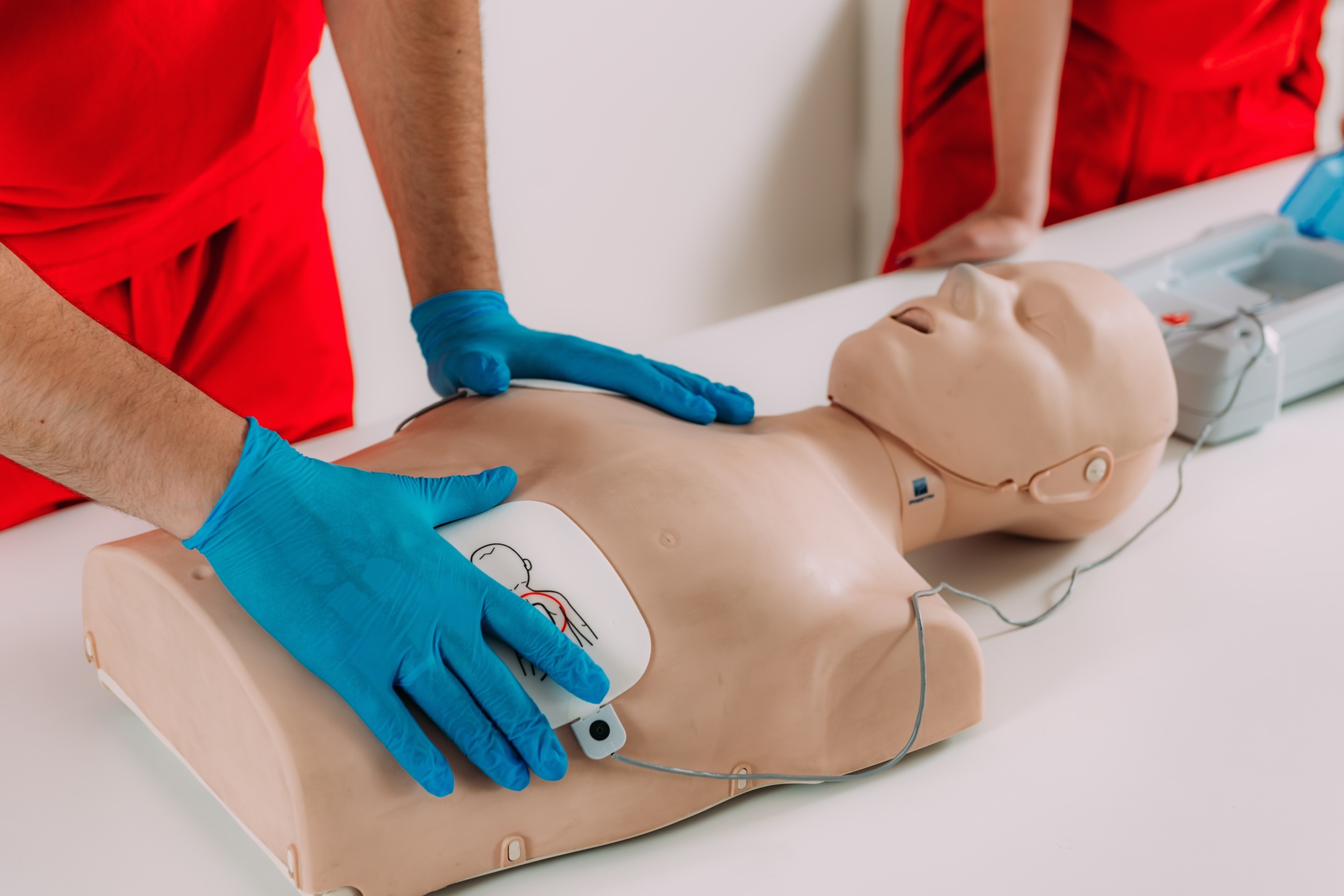
- Use an Automated External Defibrillator (AED) safely and effectively
This approach ensures that you are prepared to provide first aid assistance for a wide range of emergencies, not just cardiac arrest.
Learn CPR with EFAR’s Certified Course in Singapore
Do you know how to respond if someone were to undergo cardiac arrest and collapse in front of you? If you’re not sure, don’t worry, as CPR is a skill that anyone can learn through proper training.
At Emergencies First Aid & Rescue (EFAR), we are committed to empowering ordinary Singaporeans with the knowledge and skills to help others in critical moments.
Our Standard First Aid Course, which incorporates CPR and AED training, will equip you with the necessary skills to take action in emergencies, including:
- How to perform CPR and use an AED
- How to administer first aid for breathing emergencies
- How to handle an unconscious casualty
- How to manage cases of poisoning, heat stroke, and burns
- How to control bleeding and provide basic treatment for fractures and injuries
During CPR training, you can expect:
- Hands-on CPR practice using training manikins
- Guidance on proper compression techniques and rhythm
- Scenario-based exercises to simulate real emergencies
EFAR’s courses are certification-based and SFRAC accredited, our courses are also eligible for SSG funding and SkillsFuture Credit, making it easier and more affordable for you, your friends and relatives, and even your colleagues to access first aid training in Singapore.
Your Community Needs You: Get CPR Certified with EFAR
Many of us never expect to use CPR in the course of our daily lives, but this simple skill could make a life-saving difference for someone we know, or even a stranger.
By enrolling in a CPR course in Singapore, you equip yourself with skills that can help protect those around you in an emergency.
Ready to take the first step? Sign up for a Standard First Aid Course or learn more about how EFAR can help you get trained and prepared today.
Already a certified first aider? Don’t let your skills lapse! Sign up for our Standard First Aid + AED Refresher Course and stay prepared for any emergency.