You are driving home from work when traffic suddenly comes to a standstill. Ahead, a car and a motorcycle have collided. The rider lies injured on the road as several vehicles pull over and people look on.
Some take out their phones. Others assume someone has already called 995, or that an individual with more medical knowledge will step in to help. As everyone looks to one another, precious moments can pass before anybody takes action that could save the casualty’s life.
This hesitation is what psychologists call the bystander effect. This is a phenomenon where people are less likely to offer help when others are present, because everyone believes another person will take responsibility.
The bystander effect doesn’t happen because people don’t care. Rather, in stressful and unfamiliar situations, like a traffic accident, people hesitate because they’re unsure what to do or worry about making the situation worse.
Unfortunately, scenes like these are not uncommon in Singapore, where more than 9,000 people were injured in road traffic accidents in 2025 alone.
The good news is that the bystander effect on the road can be overcome with proper first aid training, which will give you the knowledge, skills, and confidence to take action and potentially save a life.
Why Do People Freeze? Understanding the Bystander Effect
Most people believe they would step up to help if they witnessed a traffic accident. But in reality, even the most well-intentioned among us is not immune to the bystander effect in an emergency.
Several psychological factors contribute to this hesitation:
- Diffusion of Responsibility
As the number of bystanders at an emergency scene increases, individuals often feel less personal responsibility to intervene. Instead, they assume someone else has already called the paramedics or will be more qualified to help.
- Looking to Others for Cues
In an unfamiliar or distressing situation, individuals tend to observe how others react before deciding what to do. If everyone else hesitates or seems calm, the person may assume the accident isn’t as serious as it initially seemed. A domino effect arises where nobody acts because they do not see others reacting.
- Fear of Making Mistakes
For many Singaporeans, this may be the greatest barrier to helping at the scene of a traffic accident.
People may worry about worsening the casualty’s injuries by moving them incorrectly, especially if a neck injury or broken limb is involved. There is also anxiety related to getting tangled in legal issues.
While these concerns are valid, they often prevent bystanders from taking simple but vital actions, such as calling 995 promptly or controlling severe bleeding on the scene.
Most cases of bystander hesitation do not stem from a lack of compassion, but from uncertainty. That’s why first aid training is so essential for Singaporeans. By knowing what to do and not to do at the scene of a road traffic accident, you can replace fear with confidence and take decisive, life-saving action.
When Every Second Counts: Why Immediate Action Matters After a Traffic Accident
Despite Singapore’s stricter traffic enforcement and road safety campaigns, traffic accidents remain common in the country. From busy expressways to quiet residential roads, thousands of people are injured in road accidents annually.
Many of these accidents are caused by speeding and reckless driving, including habits such as running red lights or using the phone behind the wheel.
Pedestrians and motorcyclists are the two groups most vulnerable in traffic accidents in Singapore. In 2024, elderly pedestrians accounted for 44% of all pedestrian fatalities, while motorcyclists and pillion riders made up 54.8% of all traffic accidents in 2025.
Injuries sustained during road traffic accidents can range from minor cuts and bruises to severe bleeding, fractures, and cardiac arrest. In such cases, the first few minutes of emergency response are crucial.
Although Singapore’s emergency medical services are highly responsive, even the fastest ambulance cannot reach a location instantly. This means that those already at the scene are often the first people available to assist the casualties before professional medical personnel arrive.
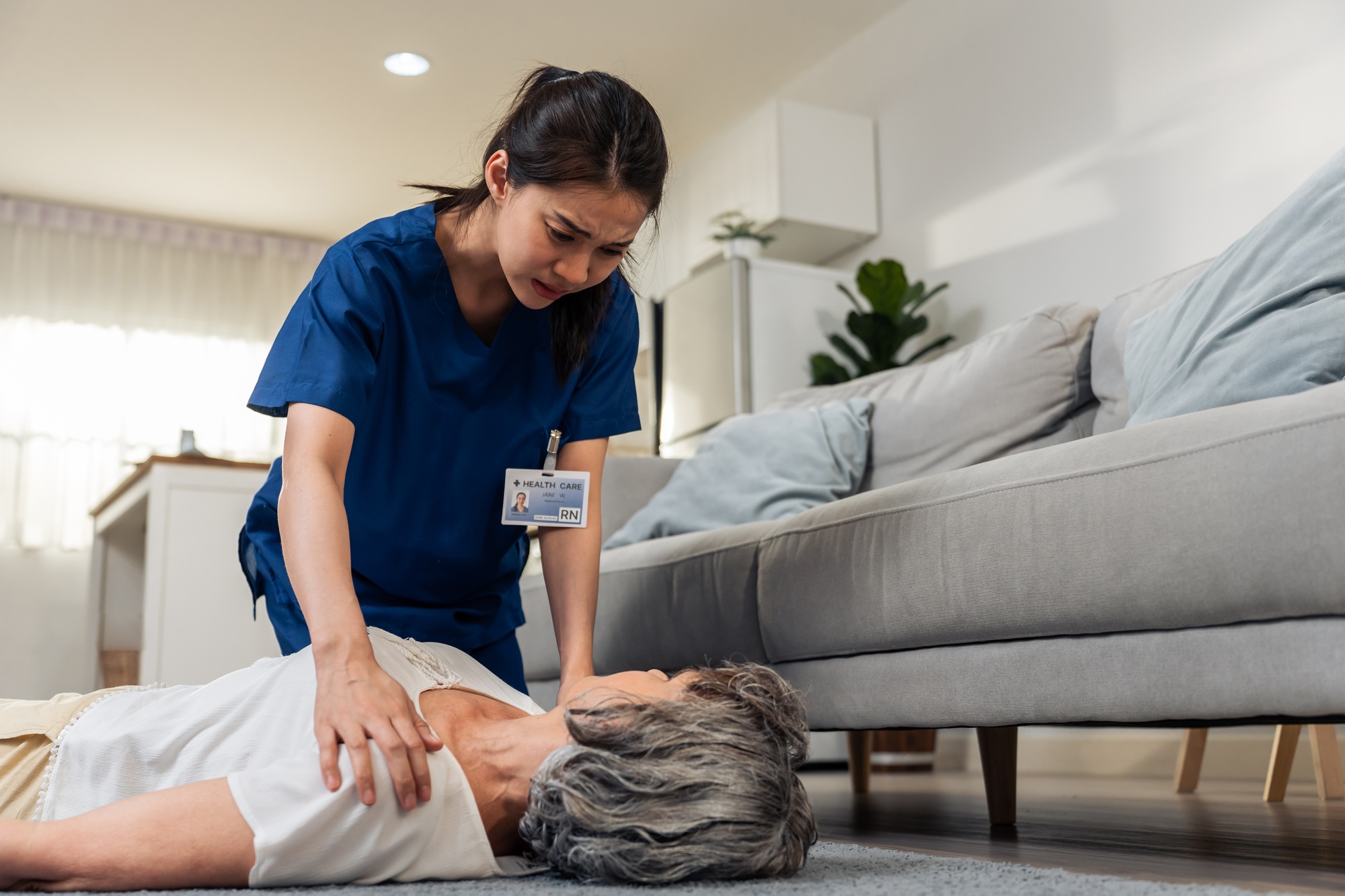
During those first few minutes, a casualty’s condition can worsen rapidly. If they have gone into cardiac arrest, for example, the heart is no longer pumping oxygen-rich blood around the body. This means that their brain and other vital organs will begin to suffer damage within minutes. By providing prompt first aid in this window of time, you can help stabilise the casualty until they receive professional medical care.
Confidence is one of the most effective antidotes to the bystander effect in emergencies. First aid training can equip ordinary members of the public with the knowledge to assess a traffic accident scene, take the right steps to handle any casualties, and provide appropriate care until paramedics arrive.
Why Every Road User Should Learn First Aid
First aid training is not about turning ordinary Singaporeans into healthcare professionals. Instead, it teaches simple yet essential skills that anyone can learn and put to use in an emergency.
Whether you drive to work every day, ride a motorcycle, take public transport, or simply walk around your neighbourhood, you could find yourself witnessing a road traffic accident. In some of these situations, you may be the first person on the scene, and having first aid knowledge will allow you to provide assistance and reassurance to the casualty while waiting for the ambulance.
Through first aid training, you’ll learn how to:
-
Evaluate whether the accident scene is safe
First aid training will teach you to identify possible hazards at an accident scene, such as oncoming traffic or leaking fuel from vehicles, ensuring that you keep both yourself and the casualty safe as you provide help.
2. Call 995 and communicate clearly with emergency responders
Take note of all the information that paramedics will need in order to respond appropriately to the emergency. As clearly as possible, describe the accident location, number of casualties, any visible injuries, and potential hazards on the scene.
3. Recognise and respond to life-threatening injuries
Learn how to identify if an accident casualty is experiencing severe bleeding, unconsciousness, and cardiac arrest, and the appropriate response for each situation.
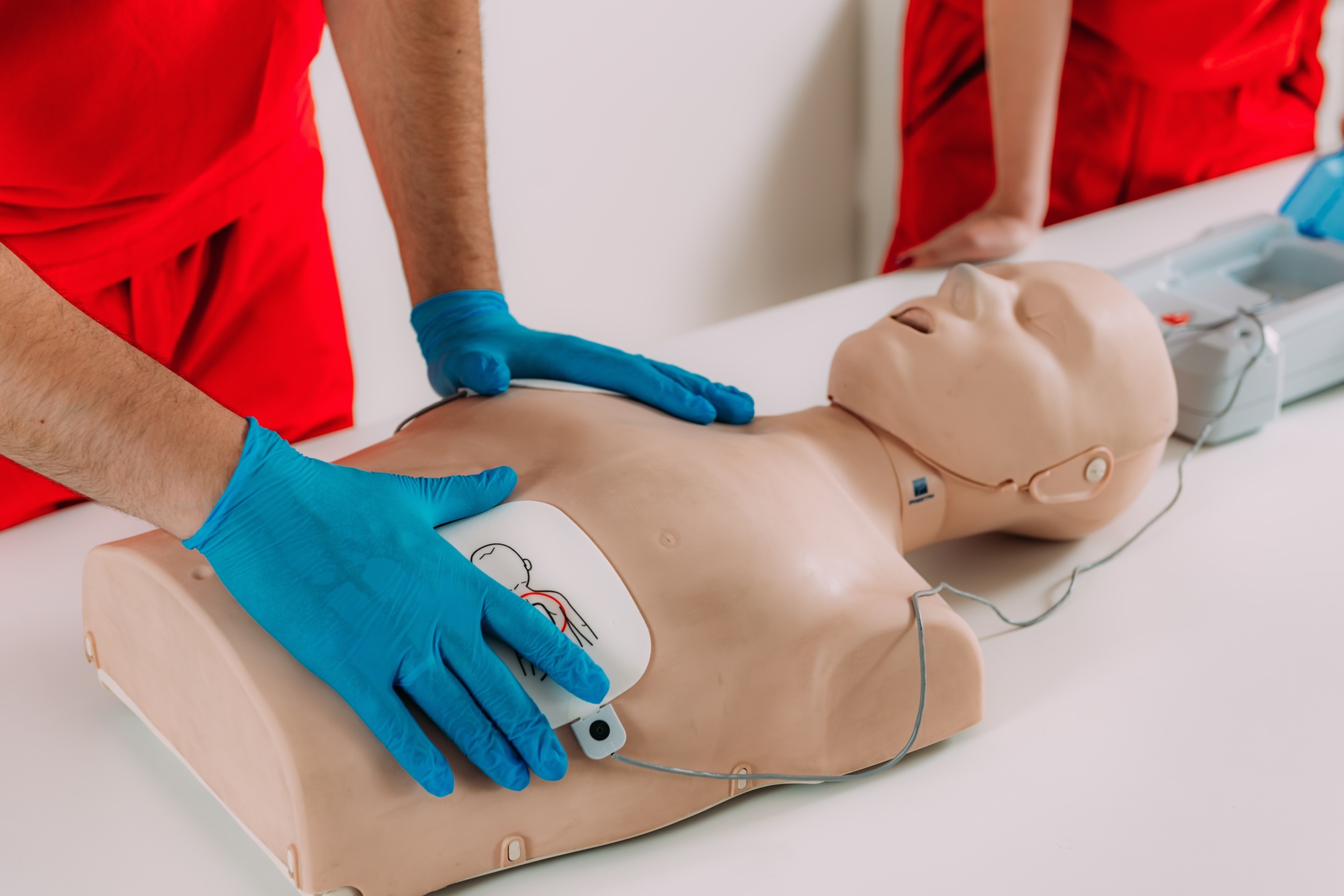
First aid training will instruct you on the right way to control bleeding and dress injuries if needed, as well as the techniques to perform CPR and use an Automated External Defibrillator (AED). These early interventions can help stabilise the casualty and reduce the risk of further complications.
- Understand when a casualty should not be moved
Road traffic accidents can result in neck or spinal injuries that you may not immediately notice. With first aid knowledge, you’ll know when it is safer to keep a casualty still, and when it is advised to move them to another location.
Most importantly, first aid training will give you the confidence to stay calm, take charge of the situation, and provide appropriate assistance to the casualty until professional medical help arrives.
Be Ready to Act with EFAR’s First Aid Training
Uncertainty is one of the main causes of the bystander effect on the road. Many Singaporeans want to help, but hold back because they are unsure what to do and don’t want to cause more harm.
At Emergencies First Aid & Rescue (EFAR), we believe that no one should feel powerless during an emergency. Our hands-on first aid training programmes are designed to give you the practical knowledge and confidence to respond safely and effectively to road traffic emergencies.
- How to perform CPR accurately and calmly.
- How to operate an AED correctly.
- How to perform first aid for road accident emergencies such as seizures, asthma attacks, and allergic reactions.
- How to treat wounds, fractures, burns, and other injuries.
- How to evaluate an emergency scene and decide on the best course of action.
You can choose from our selection of first aid programmes:
- Standard First Aid with CPR & AED Course for beginners interested in learning basic and essential first aid skills that can be applied to emergencies on the road.
- Basic Cardiac Life Support (BCLS) + AED Course teaches participants how to recognise cardiac arrest, perform the right CPR techniques, and use an AED correctly.
- HeartSaver CPR+AED Course, a practical course covering the proper handling of cardiac arrest and choking emergencies as a result of road accidents.
For those who have already undergone first aid training in the past, EFAR’s Standard First Aid Refresher with CPR & AED Course will help you renew your knowledge and skills and stay sharp.
Overcoming the Bystander Effect Starts with You
Every day, ordinary Singaporeans find themselves at the scene of a traffic accident. Whether the casualty’s injuries are minor or more serious, you can be prepared to respond safely and efficiently with the right first aid training.
It’s not about becoming as skilled as a professional paramedic, but about being ready to step forward and provide potentially life-saving assistance in the critical first minutes following an accident.
Ready to take the first step? Sign up for any of our available first aid courses or learn more about how EFAR can help you get trained and prepared to respond at the scene of a traffic accident.
Already a certified first aider? Don’t let your skills regress. Sign up for our Standard First Aid + AED Refresher Course and stay prepared for an emergency on the road.