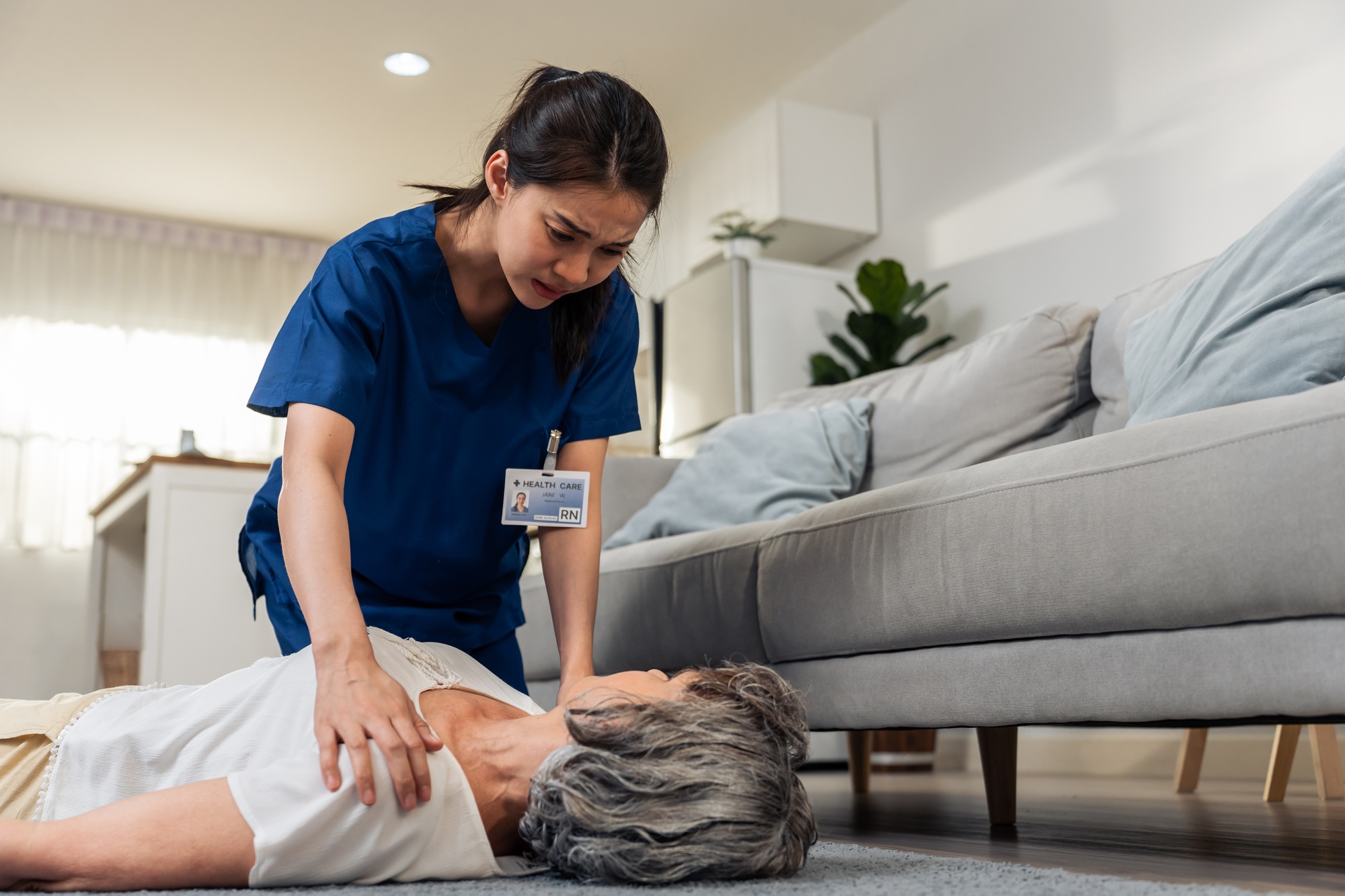
A colleague suddenly collapses at their desk. Someone slips on a wet floor in the storeroom and can’t get up. A staff member burns their hand with hot water in the pantry.
What you do in the next few minutes can mean the difference between a full recovery and a life-altering injury.
No matter how safe we think our environment is, workplace emergencies can happen without warning. And while Singapore’s emergency services are highly reliable and effective, there are still those precious minutes before they arrive at the scene.
This window of time is where first aid training plays a vital role.
Did you know that victims are up to three times more likely to survive if a bystander starts CPR immediately? A trained colleague who can start CPR or stop severe bleeding can dramatically improve someone’s chances of survival or recovery.
In this article, we will break down the different workplace emergencies you can prepare yourself for through occupational first aid courses in Singapore.
Common Workplace Emergencies: A Case for Occupational First Aid Training in Singapore
Workplace emergencies vary depending on the environment and nature of the work. Every location comes with its own set of health and safety risks.
Here are some real-world scenarios where first aid training can make a life-saving difference:
-
Offices & Corporate Settings
Office environments may seem harmless, but emergencies still happen, and often when least expected.
Common incidents include:
- Heart attacks or cardiac arrest, especially among older staff.
- Fainting due to low blood pressure, stress, or underlying conditions.
- Choking during meals.
- Asthma attacks triggered by stress, allergies, or poor ventilation.
- Slip and fall accidents in restrooms, stairwells, or wet pantry floors
Without someone trained to administer CPR, assist a choking colleague, or keep a patient stable, the situation could worsen quickly while waiting for SCDF responders.
Do you have the occupational first aid skills for office & corporate settings?
- Do you know how to help someone use an asthma inhaler when they have an attack?
- Can you put an unconscious person in the recovery position to keep their airway clear?
- Are you capable of performing the Heimlich manoeuvre to help someone who is choking?
-
Construction Sites, Factories & Warehouses
These are high-risk workplaces, where heavy machinery and manual labour increase the chances of serious injuries:
- Falls from height leading to fractures or spinal injuries.
- Crush injuries from moving equipment or falling objects.
- Deep cuts or lacerations from tools or sharp materials.
- Electrocution during maintenance or equipment failure.
- Burns and chemical exposure, especially in industrial settings.
If you know how to immobilise a limb, manage bleeding, or treat burns on the spot, you can help prevent serious long-term damage and even potentially save lives before paramedics arrive.
Do you have the occupational first aid skills for construction, warehouse, and factory environments?
- Can you apply a splint to immobilise a fractured limb?
- Do you know how to apply a pressure bandage to control bleeding?
- Do you know what to do in the case of injuries caused by electrocution?
-
Retail or Food and Beverage (F&B)
Customer service can be a chaotic, fast-moving setting with a wide range of hazards, particularly in kitchens or crowded service areas.
Some likely accidents or emergencies include:
- Burns from hot oil, steam, or boiling liquids.
- Knife injuries while preparing food or clearing tables.
- Allergic reactions from accidental food exposure.
- Dehydration or fainting during long shifts in hot, enclosed spaces
- Slips and falls from wet floors.
Through first aid training, staff can respond to emergencies calmly and effectively, whether the victims are colleagues or customers. You can learn how to respond to food allergies with an EpiPen, apply burn dressings, and handle minor injuries without panicking.
Do you have the occupational first aid skills for retail environments?
- Do you know how to dress wounds caused by hot liquids?
- Can you administer an EpiPen dose to someone who is having a severe allergic reaction?
- Do you know how to treat someone who is suffering from dehydration?
-
Childcare & Education
Children are naturally active, curious, and prone to accidents. Teachers and childcare providers must be prepared for any emergency health incidents.
Some emergencies that could occur at a childcare centre, school, or camp include:
- Choking hazards from toys or food.
- Seizures or fainting spells, particularly in children with existing medical conditions.
- High fevers that lead to febrile fits.
- Allergic reactions to food, insect bites, or medication.
- Minor falls and cuts during playtime.
Educators trained in Child First Aid will be equipped to manage young children safely, keeping them calm while taking immediate action.
Do you have the occupational first aid skills for work environments involving children?
- Can you perform CPR on a child or infant?
- Can you perform basic wound care and fever management?
- Do you know how to respond to a child having a seizure?
-
Elder Care & Healthcare Support
As Singapore’s population ages, eldercare staff and home caregivers are encountering more medical emergencies involving chronic conditions.
The elderly can be vulnerable to:
- Strokes, where the early recognition of symptoms is critical.
- Falls that can result in head injuries or fractures.
- Bedsores that become infected if left untreated.
- Sudden collapse from heart conditions or medication interactions.
- Choking due to swallowing difficulties
With first aid training, caregivers can position elderly patients correctly, monitor vitals, and perform techniques like CPR or use an Automated External Defibrillator (AED) if needed.
Do you have the occupational first aid skills for work environments involving the elderly?
- Can you identify the symptoms of a stroke using the FAST method?
- Do you know how to tell if an elderly person is having a bad reaction to their medication?
- Can you perform CPR on an older adult?
Occupational First Aid Certification: Benefits for Employers and Employees
According to the Workplace Safety and Health (WSH) Act, employers in Singapore are legally required to ensure a safe working environment for all employees.
Guidelines set by the Ministry of Manpower (MOM) state that workplaces must have accessible first aid kits and ensure that a sufficient number of employees are trained and certified in occupational first aid. MOM also requires that employees attend first aider refresher courses to ensure that their skills stay sharp and aligned with the latest workplace safety standards.
Investing in first aid certification not only ensures compliance with these regulations, but also helps create a workplace where people can respond effectively in emergencies and build a culture of care for each other.
-
Fast and Competent Emergency Response
The most immediate benefit of occupational first aid certification at the workplace is the ability to take immediate action in an emergency. Whether it’s a heart attack, a fractured limb, or a choking incident, every second counts.
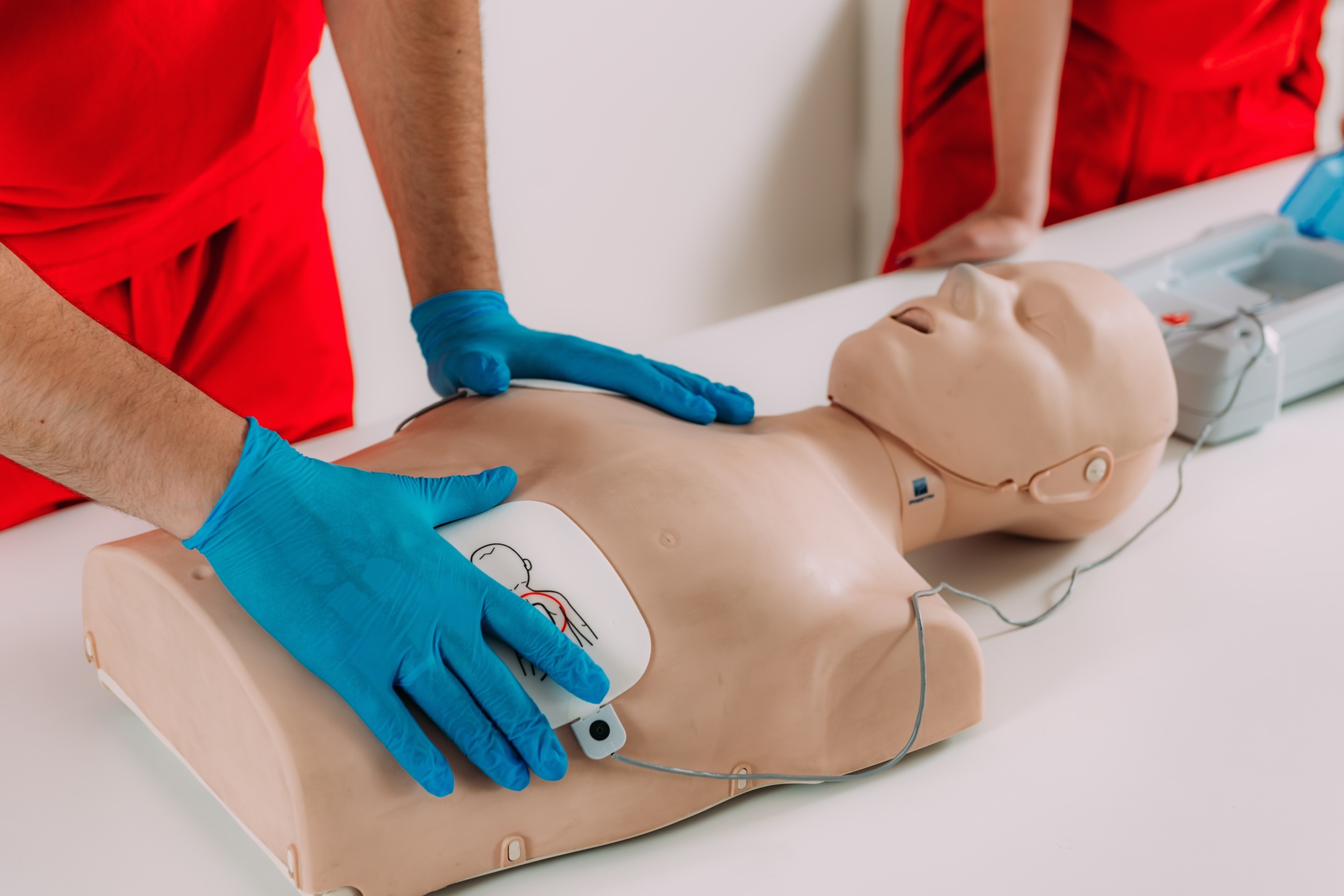
Trained employees are equipped to administer CPR (Cardiopulmonary Resuscitation), use an AED (Automated External Defibrillator), and stop heavy bleeding. CPR helps keep blood and oxygen flowing to vital organs when the heart stops, while an AED delivers a controlled shock to restore a normal heartbeat. This reduces dependence on waiting for external help and ensures that the injured person receives critical care during the golden minutes before paramedics arrive.
-
Reduced Downtime & Less Severe Injuries
Quick first aid intervention can prevent a minor injury from becoming a major one.
For example, immobilising a fracture early can reduce long-term damage to the bone and help the victim recover faster. Meanwhile, treating a burn properly by applying the proper dressing can lower the risk of infection and hospitalisation.
This not only helps the injured employee recover faster, but also minimises lost work hours and allows the workplace to continue operating with minimal disruptions.
-
Increased Staff Morale & Confidence
Knowing that colleagues are trained and certified in occupational first aid gives employees peace of mind. It helps build a culture of mutual support where people feel cared for and empowered to act in a crisis.
First aider training also gives employees greater confidence in their own ability to step in and help in the event of an accident or emergency outside of the work setting. If similar emergencies occur at home or in public, the employee will have the skills and knowledge to deal with them calmly and effectively.
-
Stronger Safety Culture
Occupational first aid training reinforces the message that safety is everyone’s responsibility at the workplace. When employees know how to spot hazards and respond to them, they become more proactive and safety-conscious in their daily work.
This shift in mindset can lead to fewer accidents, reduced downtime, and more efficient operations. More importantly, it helps foster a culture of shared responsibility and care where safety is a core value.
EFAR: Occupational First Aid Training in Singapore
Occupational first aider training courses in Singapore are designed to be practical, hands-on, and relevant to real-life scenarios. Depending on the course, your team will learn to:
- Perform CPR and use an AED (Automated External Defibrillator) in response to cardiac arrest.
- Assist someone who is choking, unconscious, experiencing fits, or not breathing.
- Control severe bleeding and shock.
- Treat burns, fractures, and sprains.
- Recognise signs of stroke, heart attack, or severe allergic reactions.
- Perform basic wound care.
At Emergencies First Aid & Rescue (EFAR), we are committed to empowering ordinary Singaporeans with the knowledge and skills to help others in critical moments. Our first aid training courses deal with specific environments and settings, including:
- Occupational First Aid Course, where you will learn to apply basic first aid responses and manage medical emergencies at the workplace.
- Child First Aid Course, where you will learn to recognise and treat injuries and medical emergencies involving children and infants. This is beneficial if you work in education or childcare settings.
- Basic Cardiac Life Support (BCLS) Training Course, where you will learn to perform CPR and how to clear airway obstructions in someone who is choking.
Our courses are certification-based and eligible for SSG funding and SkillsFuture Credit, making it easier and more affordable for individuals and organisations to access training.
Building a Safer Workplace With Occupational First Aid Training
Prepared people save lives. With the right training, you and your colleagues can turn your workplace into a safer, more resilient environment.
By investing in occupational first aid training in Singapore from experts like EFAR, you empower your staff to step up with clarity and confidence in the most critical situations.
Ready to take the first step? Sign up for a certified occupational first aid course or learn more about how EFAR can help you get trained and prepared today.
Already a certified first aider? Don’t let your skills lapse! Sign up for our occupational first aid refresher course and stay prepared for any workplace emergency.