Did you know that the rate of workplace injuries in Singapore reached an all-time low in the first half of 2025? This is a promising sign that the country’s stricter regulations for workplace safety are proving effective.
According to Singapore’s Workplace Safety and Health (WSH) Act, all employers are legally required to take reasonable and practical steps to protect the safety of individuals at the workplace.
Aside from measures to prevent accidents, the Ministry of Manpower’s (MOM) WSH guidelines also call for employers to respond effectively when medical emergencies occur.
This level of responsibility means that organisations must have proper emergency preparedness and medical response arrangements in place at all times. If an employee is injured or suddenly falls ill at work, immediate assistance should be available while waiting for professional responders to arrive.
In this article, we outline what employers in Singapore need to know about meeting workplace first aid obligations.
First-Aiders at the Workplace
Organisations in Singapore with more than 25 employees are required to have a specific number of employees trained in first aid treatment. This number typically depends on the size of the workforce and the nature of the work activities involved.
As a general guide for employers, there should be one first-aider for every 100 workers. Some higher-risk environments, such as construction sites, factories, and marine-related workplaces, are expected to appoint more trained personnel.
Crucially, the appointed personnel must hold valid and recognised first aid certification in Singapore. This ensures they are properly trained to manage injuries, stabilise casualties, and provide immediate care before paramedics can arrive on the scene.
The appointed first aid personnel must be available throughout working hours. Companies should regularly review their coverage to make sure there are always enough certified first aiders on duty across different shifts, departments, or worksites.
For instance, a company may have varying numbers of employees per shift. The ratio of employees to trained personnel in every shift must always meet the minimum requirement outlined in the WSH guidelines.
First Aid Facilities & Equipment
Having trained personnel is only one part of workplace safety. Employers must also ensure that the necessary first aid facilities and equipment are available and accessible at all times.
Adequate and Accessible First Aid Boxes
Every workplace should maintain first aid boxes that are suitable for the type of work being performed and the number of employees on site.
These kits should be available on every floor of the office or worksite, and placed in clearly marked, easy-to-reach locations so they can be accessed quickly during an emergency.
The company should designate responsible individuals to manage the first aid kits, replace expired items and restock materials after use.
Common items in a workplace first aid kit include:
- Sterile pads, bandages, and dressings of various sizes
- Gloves, safety pins, and tweezers
- Antiseptics, ointments, and burn treatments
Regular inspections help ensure that nothing critical is missing when time matters most.
First Aid Rooms
For organisations with more than 500 employees, the WSH regulations require a proper first aid room to be made available. The room should be well-lit, well-ventilated, and equipped with basic facilities for the treatment and examination of injuries or medical emergencies.
These include proper facilities for quick drenching or flushing of the eyes and body in cases where employees are exposed to toxic or corrosive chemicals at work.
AED Availability
Not all workplaces in Singapore are mandated to install an Automated External Defibrillator (AED). However, having one on hand can significantly improve outcomes if someone at the workplace experiences sudden cardiac arrest.
However, simply having the equipment is not enough. Employees should know where it is located and have undergone proper training to use an AED confidently in an emergency.
Validity of Certification & Refresher Training
In Singapore, most workplace first aid certifications are valid for two years only. After this period, appointed workplace first aiders must renew their qualifications to continue performing their role legally.
This could leave the workplace understaffed in terms of first aid readiness and may pose issues during safety checks or audits.
To maintain their validity, individuals must complete an Occupational First Aid Refresher Course before their existing certificates expire. Employers should monitor these expiry dates closely and plan training schedules to ensure there will be no gap in coverage across the organisation while personnel go through their refresher courses.
Beyond compliance, refresher courses are essential to keep one’s first aid skills sharp. Techniques such as CPR, bleeding control, and handling fracture require practice and confidence. Without regular updates, a first-aider’s knowledge can become outdated, their response times slower, and they may be more likely to make errors in high-pressure situations.
Record Keeping & Documentation
Keeping clear logs and records is an important part of compliance with workplace first aid regulations.
Each first aid personnel at an organisation is responsible for maintaining proper records of all treatment they have provided. Their documentation should include documentation on the nature of the injury or illness and the assistance rendered.
Accurate reporting will help an organisation identify common risks, improve safety measures if needed, and meet regulatory expectations.
Other records a company can consider keeping for internal transparency include:
- Updated documentation of which employees have attended a recognised first aid course in Singapore, including certification dates and expiry timelines.
- Logs showing that first aid boxes and other medical equipment are regularly inspected, maintained, and restocked when necessary.
Communication & Awareness
Having trained first aid personnel and proper equipment will be most effective only when everyone in the workplace knows where and how to access help during an emergency.
All employees should be aware of:
- Who the appointed first aiders are for their team or shift
- Where the first aid equipment and rooms are located
- How to activate the emergency response system, such as calling 995 for the Singapore Civil Defence Force (SCDF) when required
To support this, employers must put up a notice that clearly lists the names of all appointed first aiders. Visibility on these details will prevent confusion and ensure that casualties receive assistance as quickly as possible.
Regular briefings and reminders can further strengthen first aid preparedness, ensuring that all staff are confident about what to do when an injury or illness occurs.
How Workplace First Aid Compliance Benefits Your Company
Meeting Singapore’s workplace first aid regulations is a long-term, practical investment in the safety of your employees, your operations, and the reputation of your organisation.
With proper emergency preparedness, your company can:
- Reduce the severity of injuries. Timely treatment from trained personnel can stop injuries or illnesses from worsening, avoid complications, and improve recovery.
- Experience less downtime. When first aiders can respond immediately, an emergency can be stabilised that much more quickly. This reduces disruptions or stoppages in work and helps teams maintain their productivity.
- Build a stronger safety culture. Prioritising first aid preparedness builds confidence among staff, making employees more likely to look out for one another and follow safe practices.
Ultimately, compliance with WSH goes a long way towards creating safer and more resilient workplaces across Singapore.
EFAR: Occupational First Aid Training for Singapore’s Workplaces
Our Occupational First Aider training courses are all practical, hands-on, and relevant to real-life scenarios. Depending on the course, your team will learn to:
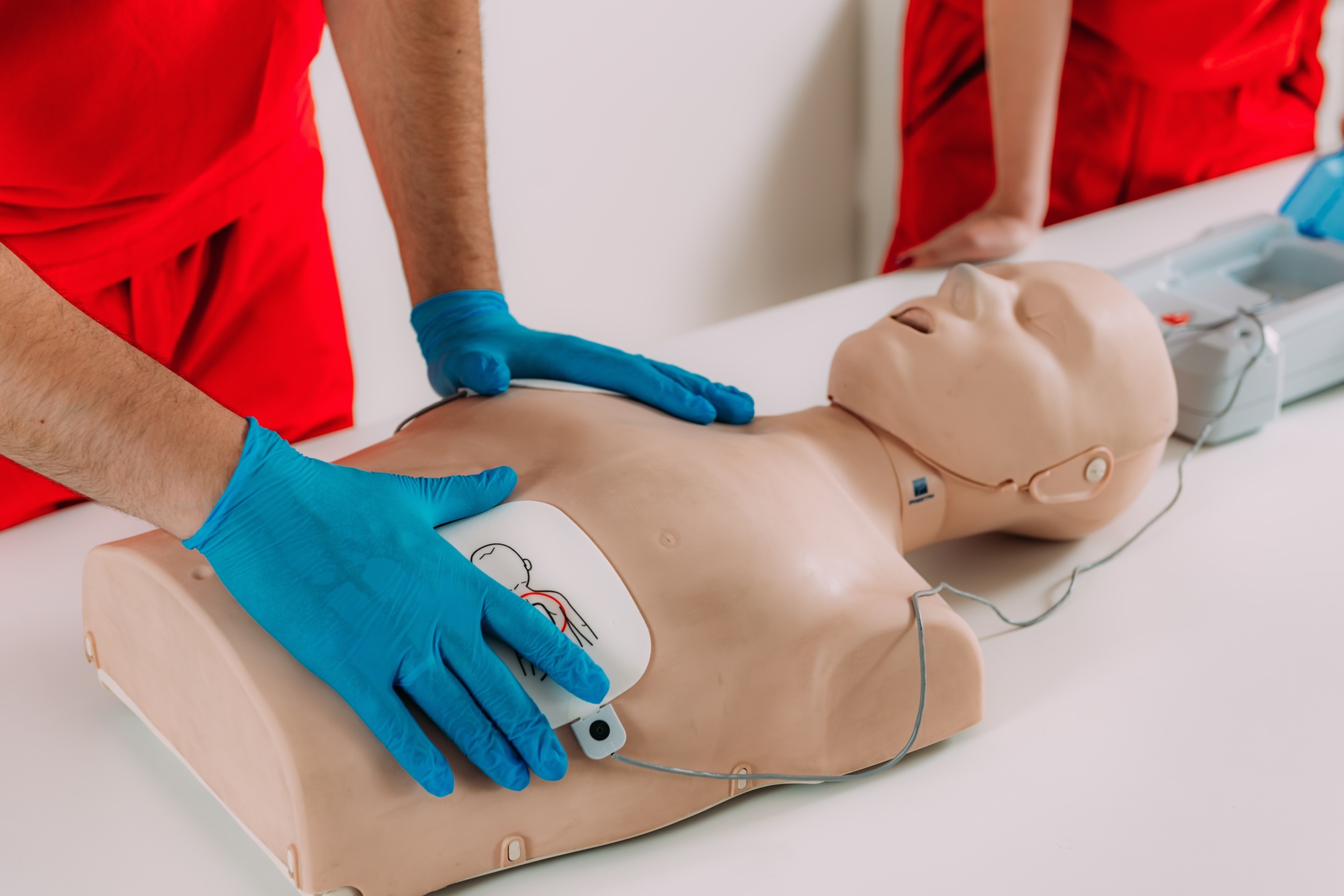
- Perform CPR in response to cardiac arrest.
- Assist someone who is choking, unconscious, experiencing fits, or not breathing.
- Perform flushing of the eyes and body for a colleague who has been exposed to hazardous substances.
- Control severe bleeding and shock.
- Treat burns, fractures, and sprains.
- Recognise signs of stroke, heart attack, or severe allergic reactions.
- Perform basic wound care.
- Safely move and transport someone who is injured.
At Emergencies First Aid & Rescue (EFAR), we are committed to empowering ordinary Singaporeans with the knowledge and skills to help others in critical moments. Our first aid training courses deal with specific environments and settings, including:
- Occupational First Aid Course, where you will learn to apply first aid responses and manage medical emergencies at the workplace.
- Occupational First Aid Refresher Course, ideal for appointed first aid personnel under WSH who wish to renew their certification.
Courses at EFAR are certification-based and eligible for SSG funding and SkillsFuture Credit, making it easier and more affordable for individuals and organisations to access training.
Building a Safer Workplace Through First Aid Preparedness
A safer workplace starts long before an accident happens. It begins with preparation, training, and the commitment to protect every person on site.
By maintaining proper facilities and appointing trained personnel, employers create an environment where injuries and medical emergencies can be handled confidently and quickly.
Ready to take the next step towards compliance? Sign up for a certified Occupational First Aid course or learn more about how EFAR can help your staff get trained and prepared today.
Already a certified first aider? Don’t let your skills lapse! Sign up for our Occupational First Aid Refresher Course and stay prepared for any workplace emergency.