Most Singaporeans look forward to retirement as a deserved reward for their decades of hard work. It’s time to slow down, savour the simple pleasures of life, and enjoy quality time with family and friends.
However, while work responsibilities may be over, emergencies do not stop. Falls, fractures, and cardiac emergencies can happen without warning. This is why more retirees should discover the value of learning first aid in Singapore.
Why is First Aid Training Important for Retirees?
Retirees may spend their days chatting over coffee at the hawker centre, taking leisurely walks around the neighbourhood, or helping to care for their grandchildren.
Yet these comfortable routines can create a false sense of security. The reality is that medical emergencies can happen anywhere, at any time, and older adults are often the ones most affected. In fact, adults aged 55 and older make up nearly half of all emergency department visits in Singapore.
Despite this, many retirees in Singapore have never taken a first aid course. Some assume they are too old to learn, while others believe emergency response is best left to younger family members or healthcare professionals. However, adult children are usually at work, and even the fastest ambulance crew cannot arrive instantly.
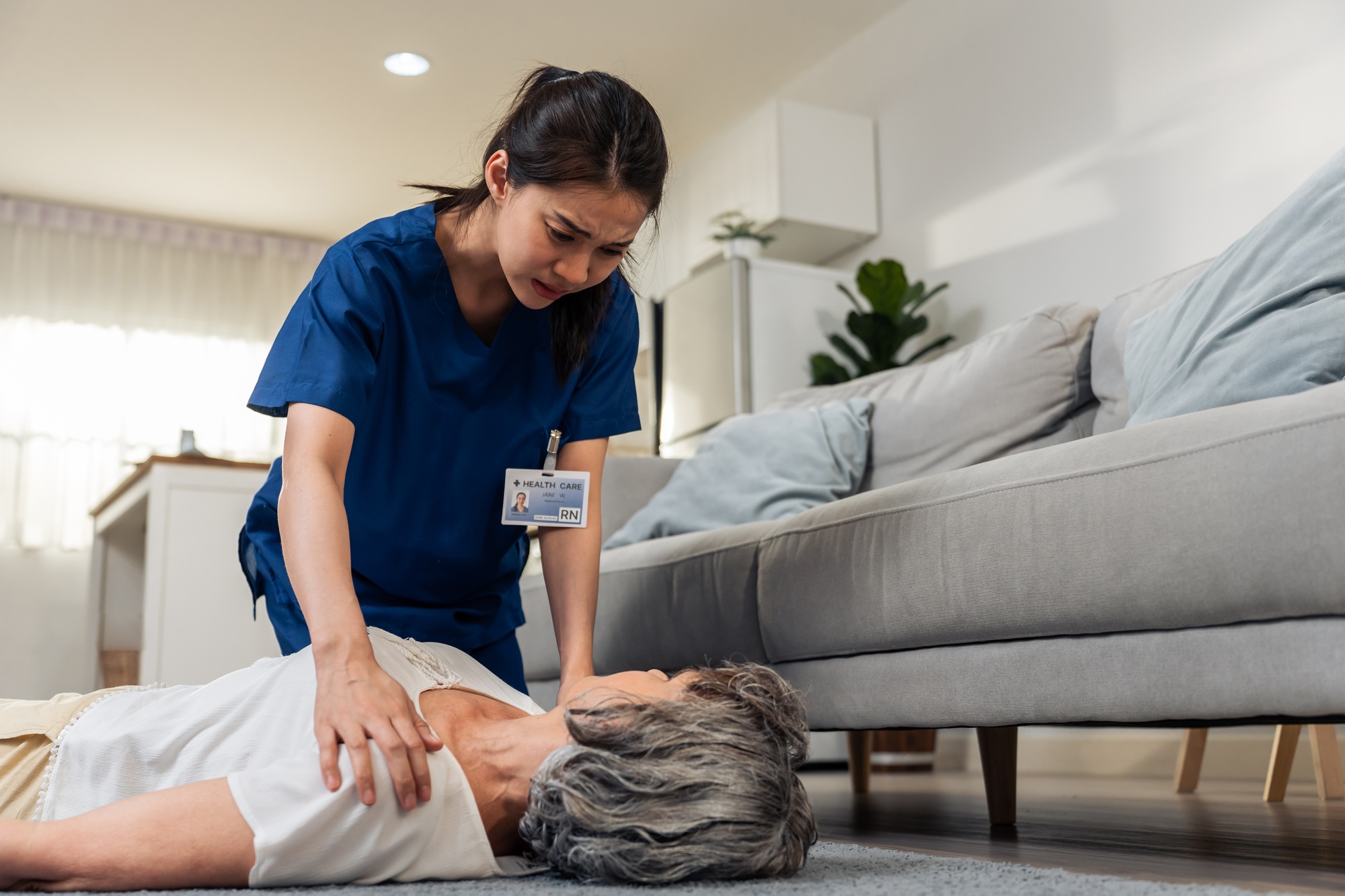
This means that when a spouse falls, a friend starts choking during a meal, or a grandchild experiences a sudden allergic reaction, retirees are often the first people on the scene. In these situations, knowing what to do before professional help arrives makes a significant difference.
Common Emergencies Retirees May Encounter
The emergencies that affect older adults and those around them can occur during the most ordinary parts of daily life. Understanding what these emergencies look like and how first aid can help is a valuable skill to acquire as a retiree.
Falls and Fractures
Falls are one of the most common causes of injury among older adults, accounting for 85% of geriatric trauma cases in Singapore’s emergency departments. A simple slip in the bathroom or tripping over an object can lead to injuries ranging from bruises to fractures.
Most people’s first instinct may be to help the casualty stand up immediately, but doing so can actually worsen the injury. First aid training will teach individuals how to assess the situation properly and keep the casualty safe before seeking appropriate medical help.
Choking Incidents
Choking can happen unexpectedly when eating, and is a particular concern for older adults who could have difficulty swallowing due to age-related conditions or medical problems.
A blocked airway during a choking incident can escalate into a life-threatening situation if quick action is not taken. For retirees, learning to identify the signs of choking and to apply the right first aid techniques can help restore airflow while waiting for paramedics to arrive.
Heart Attacks and Cardiac Arrest
Heart-related emergencies are another major concern for retirees, as cardiovascular conditions become more common with age.
A heart attack happens when blood flow carrying oxygen to part of the heart is blocked. Cardiac arrest, on the other hand, is when the heart stops pumping blood effectively.
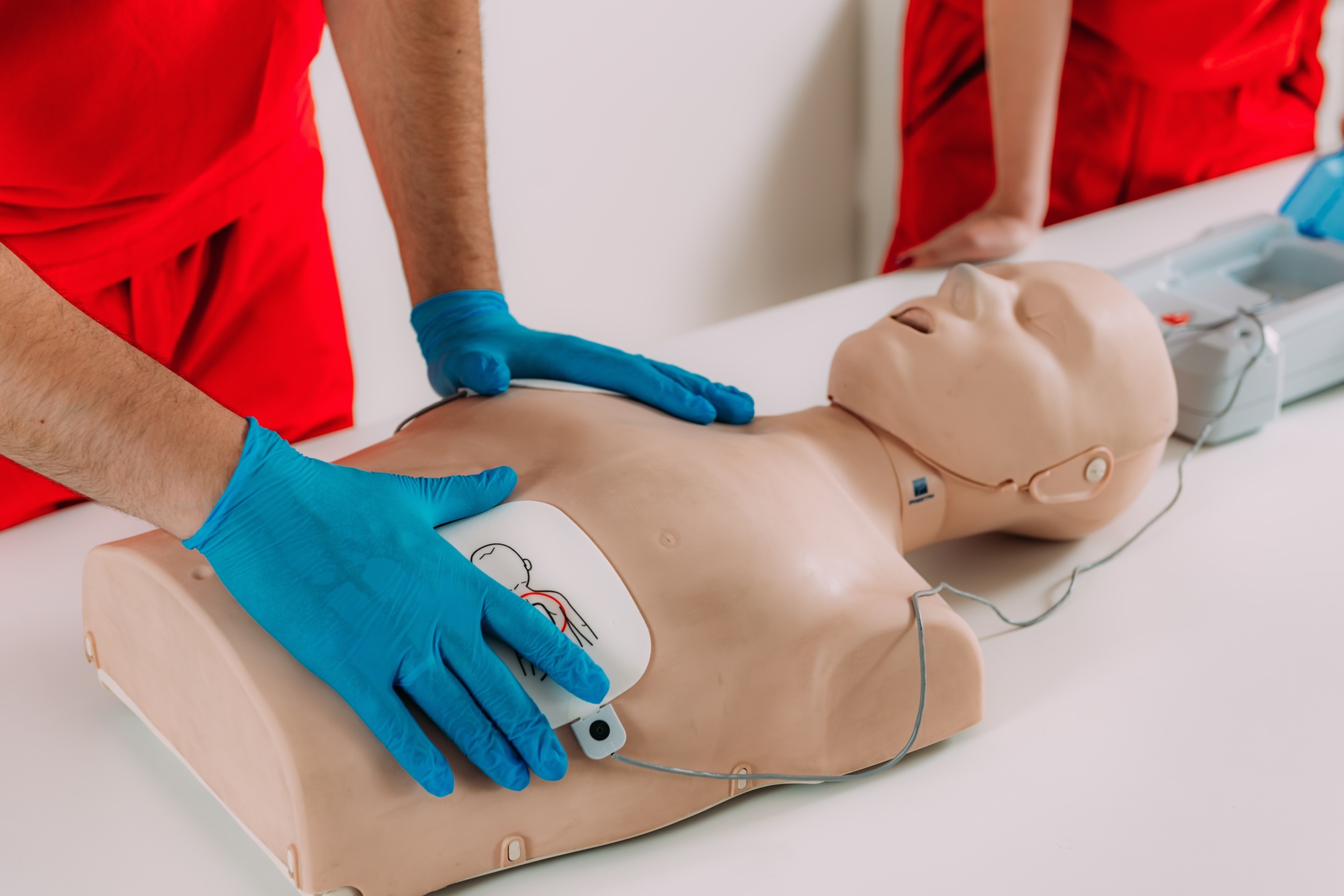
Although both require urgent medical attention, cardiac arrest is especially time-critical because survival rates depend on immediate CPR and, where available, the use of an AED.
Child-Related Emergencies
Many retirees take on another important role after leaving the working world: they become primary caregivers for grandchildren while the parents work.
These moments carry significant responsibility. Children are naturally active, curious, and accident-prone. A toddler may fall while playing, or choke on small objects lying around the house. Allergic reactions or fever-related seizures can also happen suddenly.
These situations can be distressing, especially when the child’s parents are not present. For grandparents, familiarity with first aid training can help them react calmly and appropriately while waiting for professional medical assistance.
What Retirees Will Learn in a First Aid Course
With more free time and flexibility to explore new interests, retirees can gain knowledge and confidence that can make a real difference when responding to emergencies.
A standard first aid course in Singapore, such as the one offered by Emergencies First Aid & Rescue (EFAR), incorporates both theoretical knowledge and hands-on training to prepare participants for common emergencies.
The course content will typically include:
-
CPR and AED Usage
Participants will learn how to recognise the signs of cardiac arrest, perform CPR correctly, and use an AED safely and effectively.
-
Choking Management
Participants will learn to recognise the signs of choking and the right techniques to clear an obstructed airway. This is especially beneficial for retirees who spend a lot of time with elderly spouses, friends, or young grandchildren.
-
Management of Unconscious Casualties
Someone could lose consciousness for a variety of reasons, including injury, low blood sugar, heat exhaustion, or other underlying conditions.
A standard first aid course will teach participants how to test the casualty’s level of responsiveness, monitor their breathing, and provide ongoing care until paramedics arrive.
-
Bleeding and Wound Care
Cuts and wounds can happen every day, from accidents in the kitchen to injuries sustained during gardening or housework.
Participants will be instructed on how to control bleeding, apply dressings correctly, and identify whether a wound is serious enough to need further medical attention.
-
Falls, Fractures, and Mobility-Related Injuries
First aid for retirees is important because falls are among the most common causes of injury among older adults.
First aid training teaches participants how to safely assess a fall, identify possible fractures or head injuries, and avoid actions that could worsen the injury.
-
Recognising Medical Emergencies
Many medical emergencies present warning signs that untrained individuals may not be familiar with, which can make it difficult to respond appropriately.
In a first aid course, participants will learn how to identify and respond to conditions like:
- Strokes
- Heart attacks
- Seizures
- Asthma attacks
- Diabetic emergencies
- Severe allergic reactions (anaphylaxis)
The ability to recognise these emergencies as early as possible will usually lead to faster medical intervention and better outcomes for the casualty.
-
Burns and Scalds
Burns can happen when cooking, drinking hot beverages, or simply accidentally touching a hot surface.
A first aid training course will tell participants the immediate steps to take in burn cases, including how to properly cool the affected skin and correctly apply a dressing if needed.
-
Emergency Scene Assessment
One of the most important things a retiree can learn is not to panic in an emergency. With a calm and clear mind, they will be better able to offer help and support to the casualty.
A first aid training programme will teach participants how to:
- Evaluate whether an emergency scene is safe before approaching the casualty.
- Prioritise which actions to take. For example, when is it appropriate to move a casualty before starting any treatment?
- Communicate with emergency responders and provide relevant, accurate information.
These decision-making skills will help retirees respond effectively during real-life emergencies.
Learn Life-Saving Skills During Retirement with EFAR’s First Aid Courses in Singapore
Whether you wish to care for your spouse, help a friend in an emergency, or feel more confident when looking after your grandchildren, learning first aid is one of the most precious skills you can acquire for your golden years.
At Emergencies First Aid & Rescue (EFAR), we believe that first aid training should be accessible to all Singaporeans, including older adults.
Our first aid courses will equip you with the necessary skills to take action in emergencies, including:
- How to perform CPR accurately and calmly.
- How to operate an Automated External Defibrillator (AED) correctly.
- How to perform first aid for medical emergencies such as seizures, asthma attacks, and allergic reactions.
- How to treat wounds, fractures, burns, and other injuries.
- How to evaluate an emergency scene and decide on the best course of action.
You can choose from our selection of first aid programmes:
- Standard First Aid with CPR & AED Course for beginners interested in learning basic and essential first aid skills.
- Child First Aid with CPR & AED Course for retirees who are caretakers for their grandchildren.
- Basic Cardiac Life Support (BCLS) + AED Course for retirees interested in learning how to handle emergencies related to cardiac arrest.
- HeartSaver CPR+AED Course for those who want to learn basic first aid skills related to cases of cardiac arrest and choking in adults.
For those who have already undergone first aid training in the past, EFAR’s Standard First Aid Refresher with CPR & AED Course will help you renew your knowledge and skills and stay sharp.
Concerned About Course Fees? Explore SSG Funding and SkillsFuture Credits
Some retirees may hesitate to sign up for a first aid course because they are worried about the expense.
The good news is that EFAR’s courses are eligible for SSG funding and SkillsFuture Credit. Depending on eligibility, between 50% and 70% of your first aid course fees can be subsidised, and you will only need to pay for the remaining balance.
This way, first aid training can be an affordable investment in practical skills that could help you protect a spouse, friend, neighbour, or grandchild during a critical situation.
Stay Prepared in Retirement with First Aid Training
Retirement is often seen as a time when life slows down, but it also presents an invaluable opportunity to invest in yourself and the people you care about.
A first aid training course will equip you with life-saving skills that can make a real difference in an emergency. In those critical moments, it is not about age or experience, but about being present and knowing what to do.
Ready to take the first step? Sign up for any of our available first aid courses or learn more about how EFAR can help you get trained and prepared today.
Already a certified first aider? Don’t let your skills lapse! Sign up for our Standard First Aid + AED Refresher Course and stay prepared for any emergency.