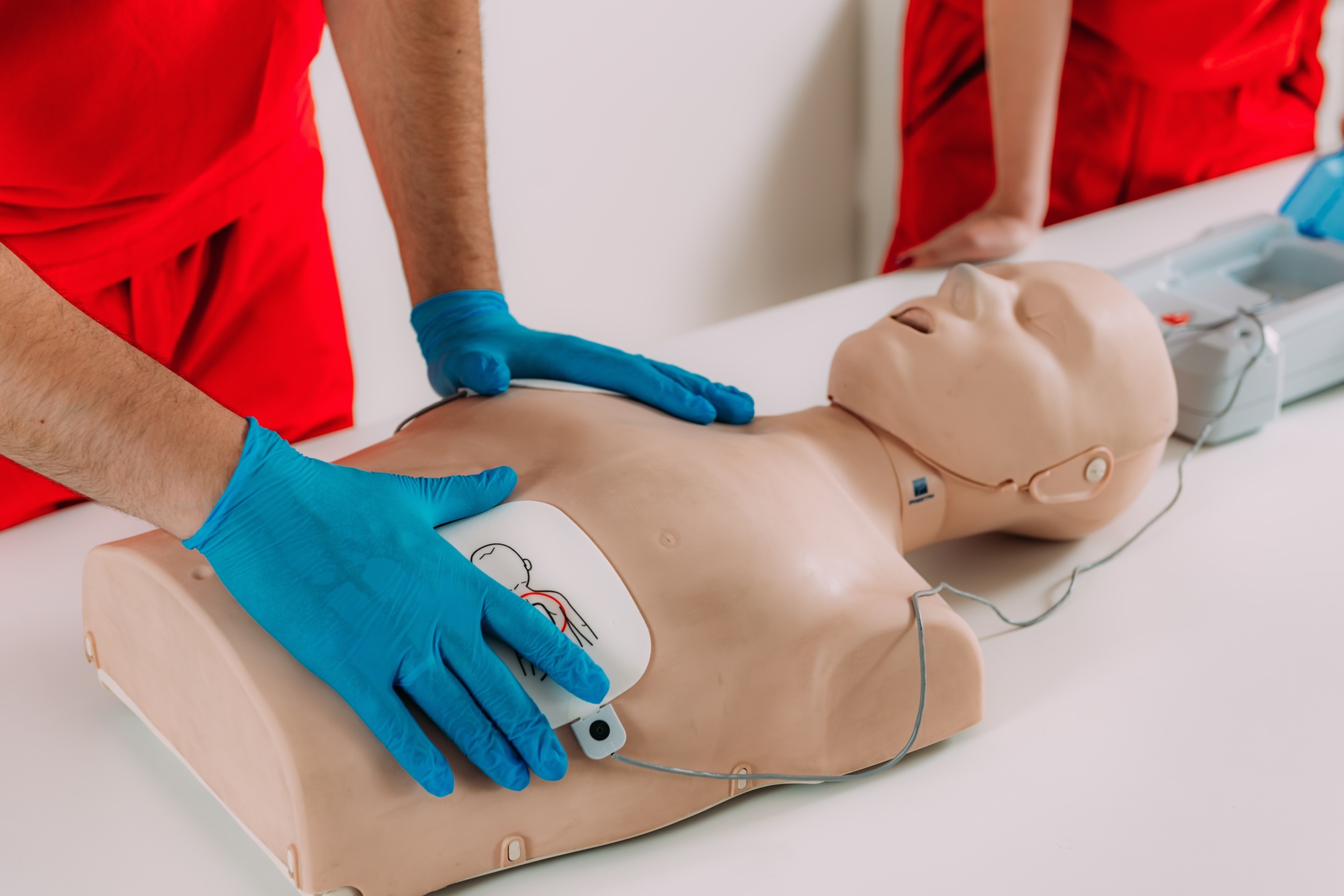
As parents and caregivers, our priority is to protect the children in our care. However, emergencies can happen anywhere, whether it’s during bath time, at school, or even when a child is sleeping. Many parents, for instance, feel particularly anxious when their infants have just started solids, fearing the risk of choking.
Even if you already know basic first aid, it’s essential to remember that dealing with children calls for very different techniques. Compared to adults, children have more delicate skin, with bodies and immune systems that are still developing.
For example, performing CPR on a child requires different hand pressure and placement than what is needed for an adult.
Evidence shows that formal child first aid training can dramatically increase parents’ confidence in managing emergencies. A 2025 Belgian study found that parents who completed pediatric first aid training reported a 136% increase in confidence when handling choking incidents and a 148% improvement in preparedness to perform child resuscitation.
This is why formal first aid training for children and infants in Singapore is so important, particularly for parents, school and childcare staff, grandparents, and anyone who spends a lot of time around children. Child emergencies are frightening, but with proper child first aid knowledge, you can stay calm, act decisively, and potentially save a life.
Common Emergencies Involving Children and Infants
Children are naturally curious. Babies and toddlers tend to explore their surroundings with their hands, mouths, and by moving around. This is how they learn, but it is also how accidents happen. Understanding the most common emergencies can help parents and caregivers respond quickly and effectively.
Drowning
Water hazards are everywhere in Singapore, from bathtubs and condominium pools to public swimming complexes. What many caregivers do not realise is that drowning can often be a silent event. Drowning children do not always splash or scream for help.
A toddler left unattended in a bathtub for just a minute can slip underwater quickly. Public poolside gatherings can be dangerous despite the number of people present, as adults may assume someone else is keeping an eye on the children.
What to do in the case of a drowning child:
- Remove the child from the water immediately. Ask lifeguards for help if they are present.
- Check for breathing. If the child coughs, this is a good sign that they can still breathe.
- Call 995 for emergency assistance if the child is unconscious and appears not to be breathing.
- Start performing CPR while waiting for the ambulance to arrive.
Because infant and child CPR techniques differ from adult CPR, proper child first aid training will teach you how to perform it accurately.
Choking
Choking is one of the most common emergencies among infants and young children, with typical hazards including grapes, nuts, hard sweets, small toy parts or jewellery, and coins or buttons.
Any object small enough for a child to put into their mouth whole can easily block their airway and restrict breathing. Signs of severe choking include:
- Inability to speak or cry
- Lips, face, or nails turning blue
- Silently struggling to breathe
The first aid response for choking will depend on the child’s age.
For infants under 1 year old, lay them face down along your thigh and hit them firmly on the back, between the shoulder blades. This should dislodge the foreign object in the baby’s airway.
If back blows are ineffective, you can perform chest thrusts by turning the baby so they face upwards, and pushing sharply downwards on their chest with two fingers.
For older children, you can perform abdominal thrusts, also known as the Heimlich manoeuvre. For a child under 5 years of age, be sure to use less force than you would for a choking adult.
If the child is still choking, call 995 for emergency assistance immediately.
Performing these techniques incorrectly can cause injury to the child. This is why hands-on first aid training in Singapore is crucial for parents and caregivers.
Severe Allergic Reactions (Anaphylaxis)
Food allergies are the main cause of allergic reactions among children. Young children are still exploring all kinds of new and unfamiliar foods, so parents and caregivers may not be aware of specific allergies until the child has consumed that particular ingredient.
Common allergy triggers include peanuts, shellfish, eggs, and dairy products. Insect stings and medication can also cause severe reactions.
Allergy reactions can be mild or moderate and go away on their own. However, severe reactions can result in:
- Swelling of the lips or face
- Hives or rash
- Nausea and vomiting
- Wheezing or difficulty breathing.
It’s important to recognise the warning signs of allergic reactions and the severity of the symptoms. If the child has already been prescribed an adrenaline auto-injector, administer this as quickly as possible.
If not, call emergency services immediately.
Fume or Smoke Inhalation
Children are particularly vulnerable to smoke and chemical fumes because their airways are smaller and their respiratory systems are still developing.
Kitchen fires and haze can cause smoke inhalation, while chemicals, wall paint, and gasoline all emit harmful gases that lead to nausea, dizziness, and headaches if inhaled.
If you suspect a child has inhaled smoke or fumes, move them to a location with fresh air or proper ventilation. Monitor their breathing and seek medical attention if symptoms persist.
Falls and Head Injuries
All children will experience falls and bumps now and then, whether it’s at home, school, or the playground. It’s a natural part of playing and growing.
Not every fall will be serious enough to require a hospital visit, but caregivers must know what signs to monitor and when to seek urgent care, especially if a head injury is involved.
For a minor head injury, it’s usually sufficient to apply a cold compress to any bumps or swelling and encourage the child to rest. Monitor them closely for the next 24 to 48 hours to see if new symptoms develop or if existing ones worsen.
Symptoms of a serious head injury can include:
- Vomiting or nausea
- Severe headache
- Unusual drowsiness
- Loss of consciousness
- Confusion
If any of these symptoms occur, seek emergency medical attention immediately.
Child First Aid Training Singapore: Skills Every Caregiver Should Have
In emergencies involving an infant or child, every moment is precious. While online videos and resources can be helpful, first aid needs for children are not the same as those for adults.
That’s why structured, hands-on first aid training conducted by qualified instructors is so important for parents, caregivers, early childhood educators, and anyone who is keen to learn the fundamentals of child and infant first aid.
EFAR’s Child First Aid Course in Singapore is accredited by the Singapore Resuscitation & First Aid Council (SRFAC) and is designed to equip participants with the knowledge and practical skills to recognise and manage injuries and medical emergencies in children and infants.
Participants will receive hands-on training to ensure they can:
- Demonstrate first aid for airway and breathing emergencies
- Perform CPR confidently and correctly for children
- Manage an unconscious infant or child
- Respond to poisoning incidents
- Handle bleeding and other injuries in children
- Recognise and manage common childhood medical conditions such as asthma and severe allergic reactions
When it comes to protecting children, preparation is essential. With proper child and infant first aid training, you’ll gain the confidence and capability to protect the little lives entrusted to you.
From Knowledge to Action: Get Certified in Child First Aid
Emergencies involving children are every caregiver’s worst fear, but it’s important to be prepared at all times.
The right child first aid training will equip you with the ability to stay calm and take the necessary action to tackle falls, injuries, breathing difficulties, and other emergencies that impact infants and children.
Sign up for a certified child first aid course or learn more about how EFAR can help you get trained and prepared today.
Already a certified child first aider? Don’t let your skills decline. Register for our Child First Aid Course & Child First Aid Refresher Course today.